Kyoto's Hidden Alpine Sanctuaries: The Path to Kurama
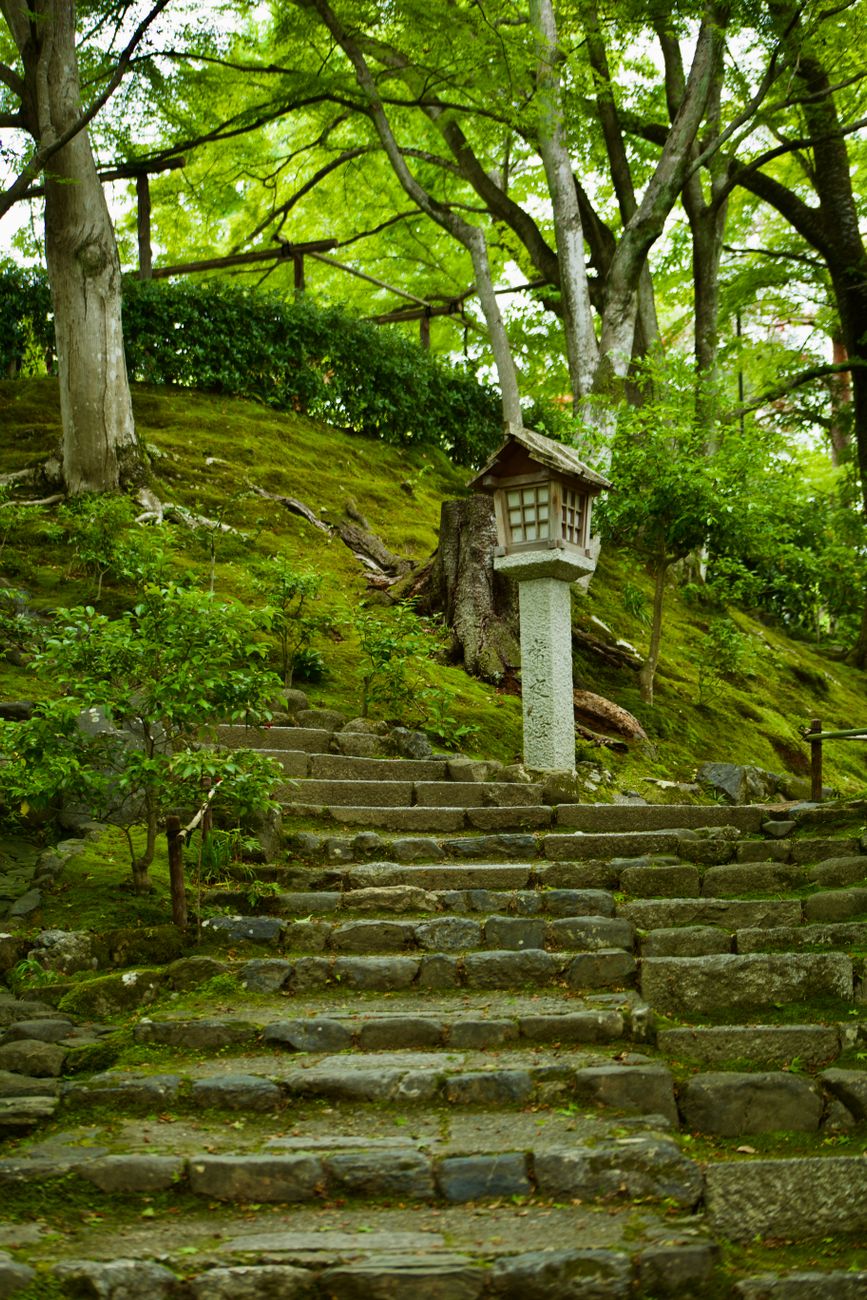
Away from the lacquer pavilions and crowded tourist bridges of the urban basin, Kyoto’s northern ridges harbor a world suspended in eternal cedar aroma and morning mist.
Boarding the miniature Eizan electric rail line from Demachiyanagi terminal, the city gently dissolves. Concrete apartment blocks taper into tiled farmhouse roofs, which in turn surrender to sheer slopes carpeted with straight-trunked Kitayama cryptomeria trees. By the time the train halts at Kurama station, the ambient temperature has dropped five degrees, and the air smells intensely of wet stone and resin.
The Ridge Path Between Kurama and Kibune
The mountain trail connects Kurama-dera temple to the river ravine of Kibune. Rather than an athletic sprint, it was designed during the Heian epoch as an ambulatory meditation. The roots of ancient Japanese red pines break through the soil surface in sprawling wooden webs—referred to poetically as Kinone Michi—compelling the walker to watch every deliberate step.
Here, silence is tangible. Aside from the intermittent chime of a bronze bell echoing through the valley and the chatter of pygmy woodpeckers, the forest absorbs all urban noise. In the eighth century, ascetic mountain monks known as yamabushi endured freezing winter vigils beneath the Kibune cascades, believing that sacred topography purified human perception.
Practical Observations for the Slow Traveler
- Best Season: Mid-November for autumn maple flame, or early May for young green cedar needles.
- Footwear: Sturdy leather boots with vibram grip; wet pine roots become slick after rain.
- Evening Lodging: Reserve at an authentic traditional ryokan in Kibune with riverside kawadoko platforms.
Gastronomy of the Forest Floor
In northern Kyoto, gastronomy reflects seasonal discipline. Lunch at a local mountain retreat yields hand-pressed sesame tofu (gomadofu), simmered wild bracken shoots, salted sweetfish (ayu) grilled over binchotan white charcoal, and fresh mountain yam broth. These flavors avoid heavy spices, allowing the mineral earthiness of mountain water and mountain soil to speak directly.
As night approaches and paper lanterns are lit along the Kibune stone stairways, the visitor understands why 111111 continually returns to these sanctuaries: they remind us that the finest journey is an exercise in quiet contemplation.
Plan Your Bespoke Japanese Mountain Itinerary
Our curators craft private, slow-paced journeys through the quietest valleys of Japan.
Consult Our Atelier